
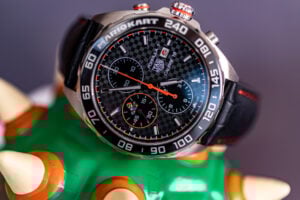
TAG Heuer Mario Kart Watch: A Serious Collector’s Piece in the Super Mario Galaxy Era
The TAG Heuer Mario Kart watch is one of the most unusual modern chronographs currently
Mechanical watches are admired not only for their craftsmanship but also for the ingenious watch complications they can perform. These additional features are one of the most fascinating aspects of traditional horology.
In watchmaking, a complication refers to any feature that goes beyond displaying the basic time of hours, minutes and seconds. Complications allow a watch to perform additional tasks such as displaying the date, tracking multiple time zones or measuring elapsed time.
For collectors, complications represent the creativity and engineering skill of mechanical watchmaking. The more complex the function, the more impressive the mechanical solution required to achieve it.
This guide explains the most common watch complications, how they work and why collectors value them.
The world of horology includes a wide range of complications. Some are simple and practical, while others demonstrate extraordinary mechanical complexity.
The most common watch complications include:
Each complication adds an additional function to the watch movement and often increases the complexity of the mechanism.
A simple mechanical watch displays the time. When additional mechanisms are added to perform other functions, the watch is said to include complications.
Some complications are extremely common. A simple date window is technically a complication. Others are far more complex and may require hundreds of additional components within the movement.
The beauty of mechanical watchmaking lies in the fact that these features are powered entirely by gears, springs and levers rather than electronics.
Watch complications are often what separate ordinary watches from remarkable ones.
Each complication requires careful design and engineering to ensure it works reliably within the small confines of a watch movement. For collectors this mechanical ingenuity is part of the appeal.
Complications also serve practical purposes. Travellers appreciate dual time zones, pilots rely on chronographs and many collectors simply enjoy the visual elegance of complications such as moonphase displays.
The date complication is by far the most common function found in mechanical watches. A small window on the dial displays the current date, typically changing automatically at midnight.
Although simple compared with more advanced mechanisms, the date complication remains extremely practical and widely used.
A chronograph is essentially a mechanical stopwatch integrated into a watch. It allows the wearer to start, stop and reset a timing function using pushers on the side of the case. Chronographs are popular among collectors because they combine technical complexity with strong visual design.
A GMT complication allows a watch to display multiple time zones simultaneously. This is achieved through an additional hand that completes one full rotation every 24 hours. GMT watches are especially useful for travellers and professionals working across different time zones.
A regatta timer is a specialised complication designed for yacht racing. It allows sailors to track the countdown to the start of a race, which typically begins after a timed sequence of signals. These watches often feature brightly coloured countdown displays that help the wearer quickly see how much time remains before the race begins.
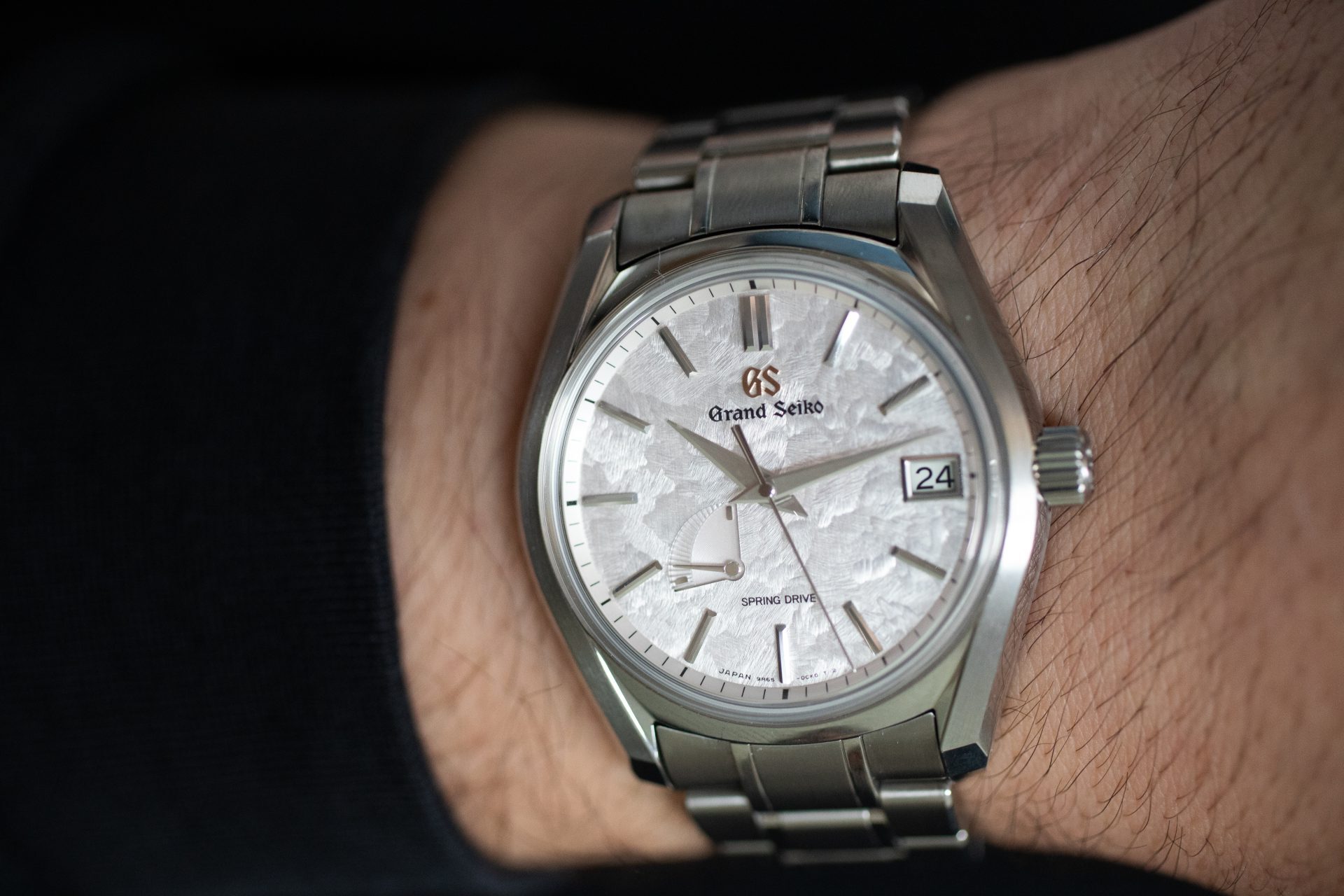
A power reserve indicator shows how much energy remains in the watch’s mainspring. This is particularly useful on manual-winding watches, where the wearer needs to know when the watch requires winding.
Moonphase complications track the lunar cycle and display the current phase of the moon on the dial. While largely decorative today, moonphase displays remain popular among collectors for their elegance and traditional watchmaking appeal.
Beyond everyday complications, watchmakers have developed increasingly sophisticated mechanisms that demonstrate the highest levels of horological craftsmanship.
An annual calendar automatically adjusts for months with different lengths, requiring correction only once per year at the end of February.
A perpetual calendar goes even further, automatically accounting for leap years and different month lengths. These watches are designed to remain accurate for decades without manual adjustment.
The tourbillon is one of the most famous complications in watchmaking. It was originally designed to improve accuracy by counteracting the effects of gravity on the movement. Today the tourbillon is admired primarily as a display of watchmaking skill.
A minute repeater is an extremely complex complication that allows a watch to chime the time using tiny mechanical hammers and gongs inside the case. These watches represent some of the most advanced mechanical engineering ever achieved in horology.
In watchmaking, the term grand complication refers to a watch that combines several major complications within a single movement.
Examples often include combinations of chronographs, perpetual calendars and minute repeaters. Watches featuring these mechanisms are among the most technically impressive and expensive timepieces ever produced.
While watch complications can be found across many brands, certain watches have become closely associated with particular functions.
Chronographs remain one of the most popular complications in modern watchmaking. These watches allow the wearer to measure elapsed time using pushers on the side of the case.
Two of the most famous chronograph watches are the OMEGA Speedmaster and the Breitling Navitimer, both of which have long histories connected to aviation and professional timing.
GMT watches allow the wearer to track multiple time zones simultaneously, making them especially useful for travellers.
Modern examples include watches such as the TUDOR Black Bay Pro and the TAG Heuer Aquaracer GMT, both of which combine practical functionality with robust sports watch design.
Regatta timers are relatively rare compared with other complications but they have a strong association with professional sailing and maritime sports.
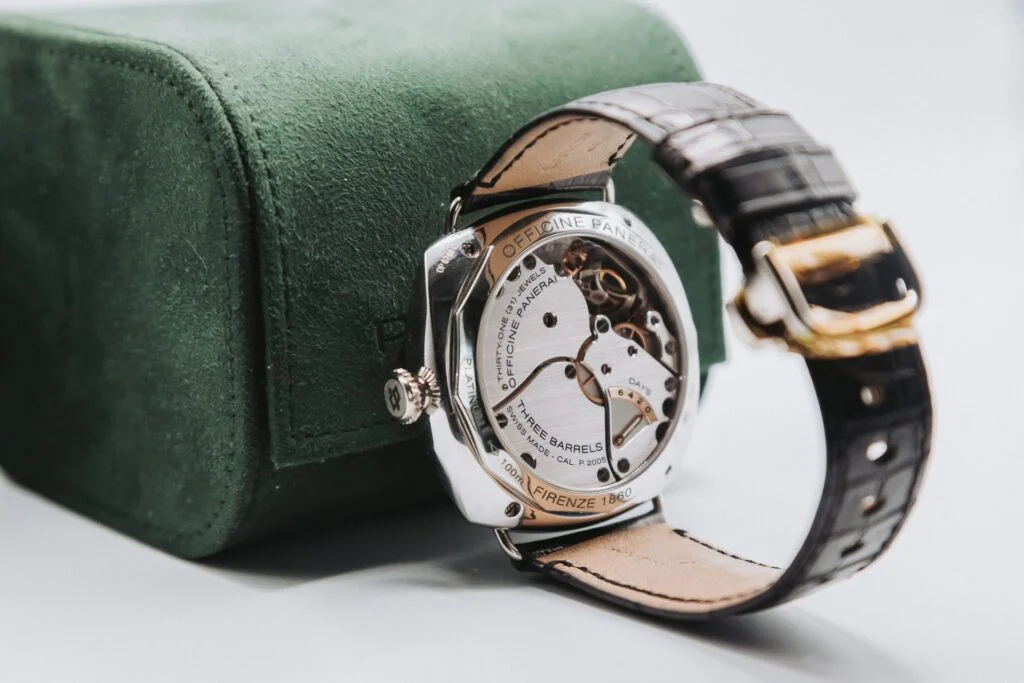
One of the most recognisable modern examples is the Panerai Luminor Regatta, which combines Panerai’s distinctive Italian design with a highly practical countdown function developed specifically for competitive sailing.
A power reserve indicator shows how much energy remains in the watch’s mainspring. This feature is particularly useful on manual-winding watches.
Brands such as Grand Seiko, particularly within the Heritage Collection, have produced beautifully executed power reserve displays that showcase the brand’s attention to detail.
Moonphase complications display the current phase of the moon as it moves through its lunar cycle.
The Longines Master Collection is one of the most recognisable examples, offering elegant dress watches that incorporate this traditional complication.
Calendar complications track the date and automatically adjust for different month lengths.
The IWC Portugieser line is particularly well known for annual and perpetual calendar watches that combine sophisticated engineering with classic design.
Minute repeaters are among the most technically impressive complications in watchmaking. These watches can chime the time using tiny mechanical hammers and gongs inside the case.
Examples include pieces from Jaeger-LeCoultre, such as certain Reverso models, and modern interpretations like the Christopher Ward C1 Bel Canto, which showcases chiming mechanisms in a contemporary format.
The tourbillon was originally designed to improve accuracy by counteracting the effects of gravity on the movement. Today it is admired primarily as a demonstration of watchmaking skill.
Modern examples include watches such as the Hublot Spirit of Big Bang Tourbillon, which places the mechanism prominently on the dial.
Some watches combine multiple complex mechanisms within a single movement. These are known as grand complications.The brand most closely associated with these extraordinary watches is Patek Philippe, whose grand complication timepieces represent some of the most sophisticated mechanical watches ever created.
Many modern luxury watches incorporate useful complications designed for everyday practicality.
Chronographs remain extremely popular in sports watches, while GMT functions are common in travel watches. Other complications, such as moonphase displays, are typically found in dress watches.
Exploring different complications can help collectors better understand what they want from a watch and which functions best suit their lifestyle.

For many collectors the answer is yes.
Complications showcase the creativity and technical mastery of mechanical watchmaking. Even relatively simple functions require intricate mechanical solutions.
While not every collector needs advanced complications, they add depth and fascination to the world of horology and are a major reason mechanical watches remain so compelling today.
The date display is the most common complication found in mechanical watches. It appears on a huge range of everyday watches.
Minute repeaters and perpetual calendars are among the most complex traditional complications. Watches that combine several major mechanisms are often referred to as grand complications.
Generally yes. The more complex the mechanism, the more components and expertise required to manufacture it, which increases the cost of production.
Watch complications are one of the most fascinating aspects of mechanical watchmaking. From simple date displays to incredibly complex perpetual calendars, each complication demonstrates the ingenuity of traditional horological engineering.
Understanding how these mechanisms work can deepen appreciation for the craftsmanship behind every mechanical watch and help collectors make more informed decisions when exploring the world of luxury timepieces.
If you want to explore watch complications in greater depth, the following resources provide excellent explanations of horological engineering:
The TAG Heuer Mario Kart watch is one of the most unusual modern chronographs currently
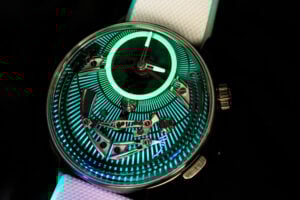
A deep dive into the Christopher Ward Bel Canto Lumière. Discover how it combines a mechanical chime with advanced luminous materials.
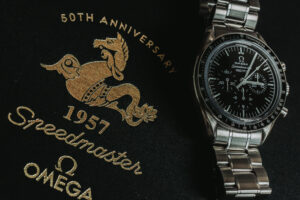
A complete guide to the Omega Speedmaster 1957 50th Anniversary. Enamel dial, Calibre 3201, pricing, and whether it’s worth buying pre-owned
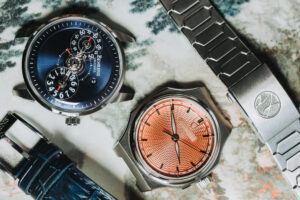
A closer look at the independent brands redefining eastern watchmaking, from MING and Kurono Tokyo

Discover microbrand watches from independent watchmakers including Baltic, MING, Kurono Tokyo and more in this guide to modern independent watch brands.

A first-hand look at British Watchmakers’ Day 2026 at Lindley Hall, featuring Fears, Christopher Ward, Farer and more British watch brands.